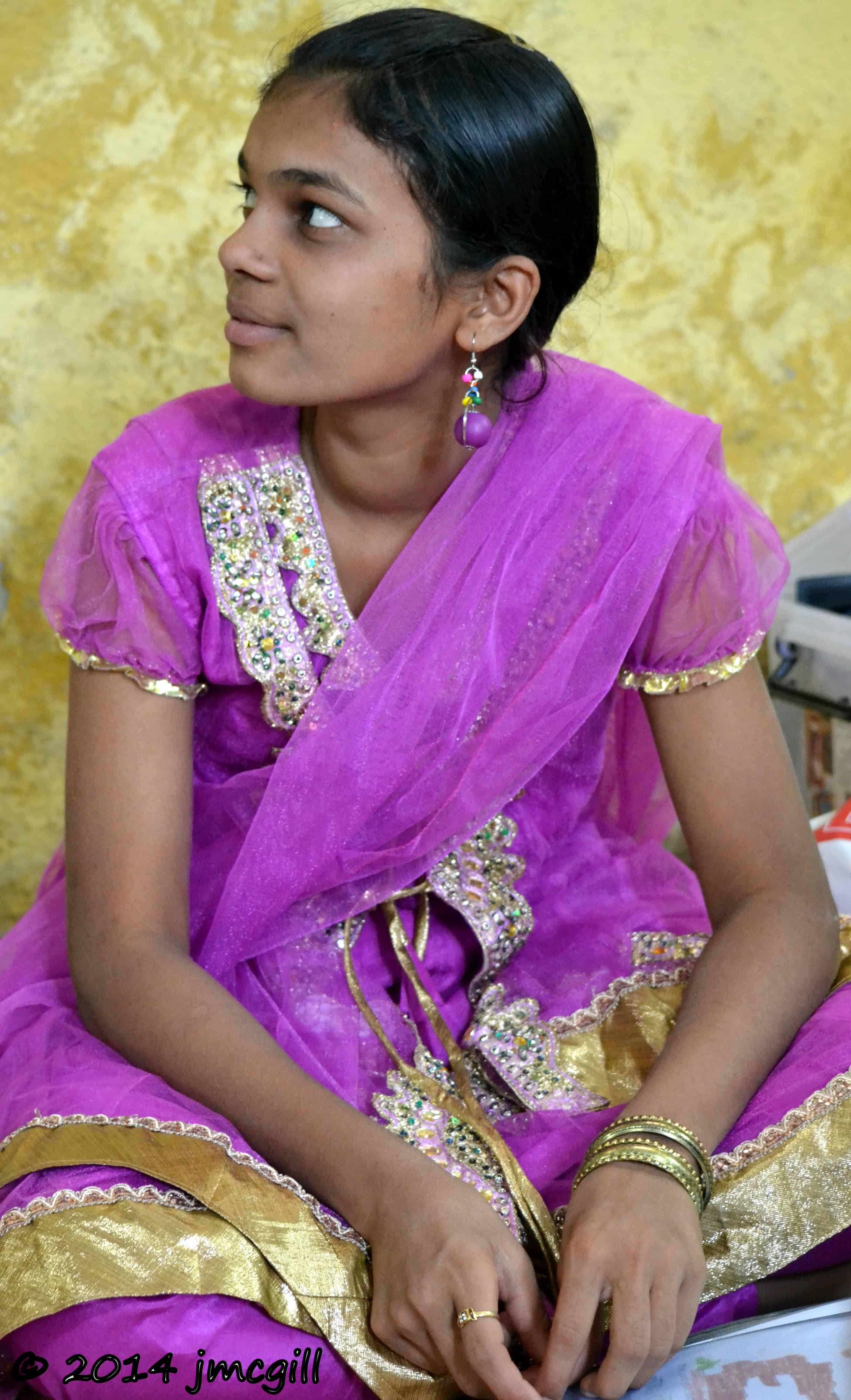
 Congress designated March as National Women’s History Month in 1987, but of course, women have long been making history. Take trailblazers like Belva Lockwood, the first female admitted to the U.S. bar in 1873. Madeleine Albright, Condoleezza Rice, and Hillary Clinton have each served as U.S. Secretary of State, a position third in presidential succession. Polish-Frenchwoman Marie Curie was the first woman to win a Nobel Prize, winning twice for different fields. Benazir Bhutto became the first elected female leader of a Muslim country (Pakistan). Consider a modern-day marvel, Ria Sharma.
Women of the Christian faith also bound across the centuries’ pages. Catherine Booth, for example, co-founded the Salvation Army. Martha Drummer and Anna Hall were African-American missionaries to Angola and Liberia, respectively. Dr. Sandra Glahn mentions several more. Many have heard of Amy Carmichael’s work in India or Elizabeth Elliot’s sacrifice in Ecuador. Fewer may have heard of Lillian Doerksen.
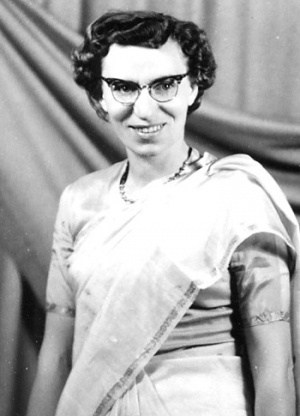 Lillian Ruth Doerksen (1921-2008) left her native Canada, never married (despite two offers), learned Marathi, and lived nearly 50 years in India. She taught in Pune at the Pandita Ramabai Mukti Mission orphanage (named after the Brahmin woman, Pandita Ramabai, who converted to Christianity and founded the home). Lillian served as a teacher and principal, and later lobbied the government to extend their services to include high school. Lillian affectionately came to be called Prakash Moushi (Auntie of Light).
She also raised 34 orphan girls, many for whom she arranged marriages and refused to pay the dowry, considering it unbiblical. One of these girls later birthed two deaf children. Burdened by the almost one million deaf children in that state and understanding the vulnerable status of girls born to poor families, Lillian then founded the Maharasthra Fellowship for Deaf, which still operates today under the direction of one of Lillian’s daughters, Tara, and her husband, Arvind Meshramkar. Four affiliated homes continue to provide education, life skills, and housing to hundreds of deaf children, even lauded in the news for the success of their students sitting for the Secondary School Certificate (SSC) exam.
Being born female in India, frankly, can be dangerous. Statistics show that India is one of the countries with the highest rates of female infanticide, despite the Pre-conception and Prenatal Diagnostic Techniques 1994 Act outlawing sex-selection and disclosure of the sex in utero. The long-standing Asian preference for male children, amplified by the substantial sum (dowry) required for a bride’s family to offer the groom’s family in India, is still very much embedded within culture. Prime Minister Modi addressed this publicly as recently as a few months ago, having issued the Beti Bachao, Beti Padhao (Save the Daughter, Educate the Daughter) campaign in July 2015. Young girls, especially born into poverty, are at particular risk. Add to that a condition of deafness, and we begin to see the miraculous work Lillian did for so many.
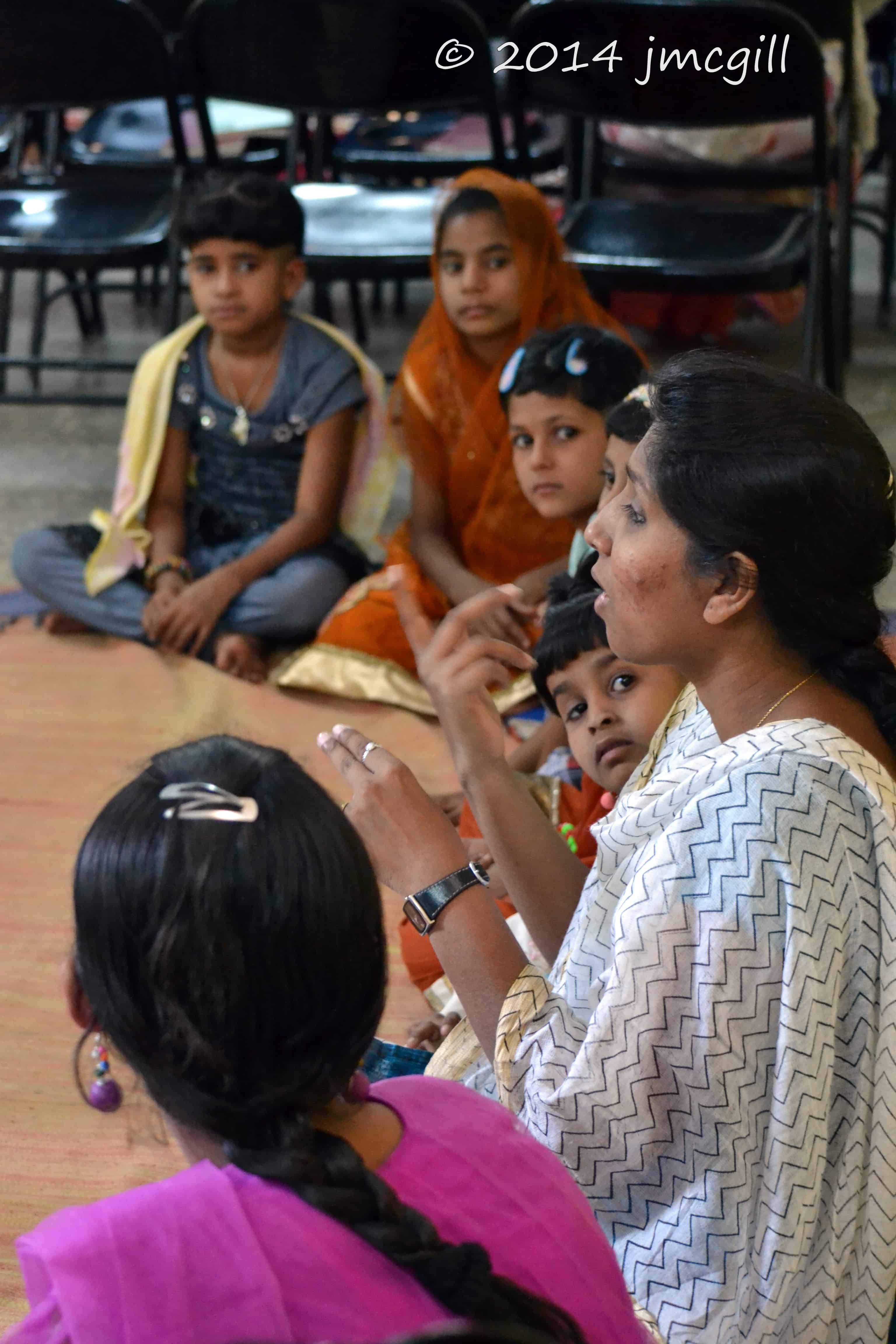 In 2013, I met some of the young deaf girls who live in light of Lillian’s legacy. I happened to be doing doctoral research in India that spring, and one of my visits was to a church meeting in Aurangabad. The pastor led the main service in one part of the room, and his wife led a group of girls in a lesson at the other end. As she taught, the interpreter signed. She later explained to me, “The girls live at the [Maharasthra Fellowship for Deaf] home during the week, and some families collect their daughters at least for the weekend. These girls were not collected. So, for some, the school is their 24-7 home. There aren’t as many activities over the weekend for the ones left behind, so they like coming to our church on Sunday mornings.”
I caught a lot of stares, of course, given that these girls don’t receive many visitors, if any, from day to day, much less pale-skinned ones. Their group leader signed why I was there, and we wistfully enjoyed a few games. My moments with them were brief, but Lillian’s story struck a sharp cord in my heart.
My own grandmother, Naomi May, was born in 1919, and while Lillian was serving India’s children, she was teaching children of the rural poor in the eastern U.S. For almost 25 years, she started one of the first afternoon school programs with neighborhood Bible clubs, teaching 679 children in one year alone. Known as the “Sunday school lady,” she would drive her Volkswagen, on which was printed “Gospel Bug,” or her jalopy station wagon, labeled the “Gospel Wagon,” and gather children for songs, games, and lessons. Of all the things I remember most about my grandmother, she definitely loved young kids—and cats. These two women, Lillian Ruth and Naomi Ruth, call us to look beyond our circumstances to follow Christ. They lived well. They loved well. And through these unassuming women, others were given life.
Read my full article at The RedBud Post.


